

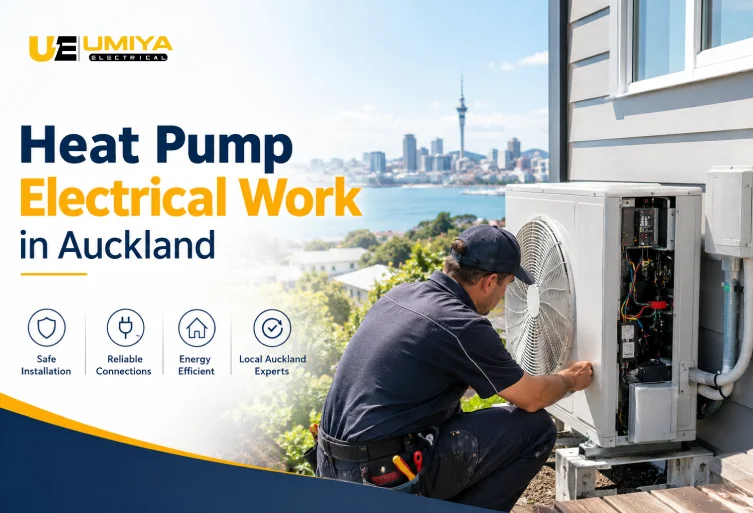
Heat Pump Electrical Work in Auckland: A Complete Homeowner’s Guide
A heat pump is a practical way to keep your home comfortable throughout Auckland’s changing seasons, providing warmth during cooler months and cooling when temperatures rise. However, choosing the right heat pump is only part of the installation process. The electrical work must also be planned carefully to ensure the system operates safely, reliably, and in line with New Zealand’s electrical requirements. Heat Pump Electrical Work involves checking the existing electrical supply, assessing the switchboard, selecting suitable wiring and circuit protection, connecting the equipment, and completing the required electrical testing. Whether you are installing a heat pump in a new home, upgrading an older system, or adding heating to a rental property, the electrical requirements will depend on the equipment and your property’s existing installation. For homeowners looking for reliable electrical services in Auckland, understanding these requirements can help prevent unexpected costs, avoid installation delays, and support the long-term performance of your heating and cooling system. Umiya Electrical can be your starting point for discussing your electrical requirements and arranging suitable assistance for your property.
Why Is Professional Heat Pump Electrical Work Important in Auckland?
Professional Heat Pump Electrical Work is important because a heat pump places an additional electrical load on your property’s existing installation, and that load must be assessed before the equipment is connected. An electrical system that works perfectly well for everyday lighting and appliances may need additional capacity or circuit protection to support a new heating and cooling unit. A qualified electrician considers the manufacturer’s specifications, the condition of the switchboard, the existing electrical demand, and the proposed installation location before deciding on the appropriate solution. This assessment helps reduce the risk of overloaded circuits, electrical faults, unreliable operation, and avoidable repairs. In Auckland, where homes range from older properties with established wiring to modern houses with more extensive electrical systems, the correct approach will vary from one building to another. Professional installation also helps ensure that fixed electrical work is completed, tested, and documented as required under New Zealand regulations. A properly planned installation offers benefits beyond simply getting the heat pump to turn on. Suitable circuit protection and secure electrical connections help the system operate as intended, while accessible isolation arrangements allow maintenance personnel to disconnect the equipment safely when necessary. Poorly planned wiring, unsuitable protection, or loose connections can create problems that may not be immediately obvious but can affect safety and reliability over time. It is also important to understand that installing the heat pump itself and completing its electrical connections may involve different areas of expertise. The heat pump installer manages equipment selection, placement, and the relevant refrigeration work, while a suitably authorised electrical worker handles the electrical tasks within their scope. Coordinating these responsibilities before installation begins can make the process smoother and reduce the likelihood of additional visits. For reliable guidance, homeowners can refer to the EECA Good Practice Guide for Heat Pump Installation, which explains important considerations for selecting and installing residential heat pump systems. Following suitable installation practices helps protect your property while supporting dependable heating and cooling throughout the year.
What Electrical Work Is Required for a Heat Pump Installation?
The exact Heat Pump Electrical Work required depends on the heat pump’s power requirements, the distance between the equipment and switchboard, and the capacity and condition of your existing electrical installation. An electrician will first review the manufacturer’s instructions to identify the rated supply, maximum electrical demand, recommended circuit protection, cable requirements, and connection arrangements. The electrician will then determine whether an existing circuit can safely support the unit or whether a separate dedicated circuit is appropriate. For new homes, a dedicated circuit should be planned as part of the electrical design, while existing homes require an assessment of their individual circumstances. The installation may also involve an accessible isolating switch, suitable cable routing, weather-appropriate protection for outdoor connections, and testing after the electrical work is completed. These decisions should be made for the specific equipment and property rather than relying on a standard cable size or circuit rating for every heat pump. A switchboard assessment is an important part of this process because the electrician needs to establish whether the existing electrical installation can accommodate the additional load. An older switchboard may need remedial work or an upgrade, but replacement is not automatically necessary just because you are adding a heat pump. The decision depends on the board’s condition, available capacity, existing protection, and the requirements of the proposed installation. Cable selection is another important consideration. The appropriate cable depends on factors such as the equipment’s electrical demand, cable length, installation method, and applicable electrical requirements. A cable that is suitable for one heat pump may not be appropriate for another, so the electrician must follow the manufacturer’s specifications and relevant standards instead of making assumptions based on appearance or unit size. The outdoor unit also needs suitable electrical connections and isolation arrangements. Wiring must be installed and secured appropriately for its location, with consideration given to exposure to weather, accidental damage, and access for future servicing. The isolating switch should be positioned in accordance with applicable requirements and manufacturer guidance, allowing the equipment to be safely isolated when maintenance is required. Once the work is finished, the electrician completes the testing and certification required for the particular installation. WorkSafe New Zealand explains the importance of using appropriately licensed electrical workers and receiving the relevant documentation for fixed wiring work in its guide to getting electrical work done. Keeping the paperwork with your property records is useful for future maintenance, renovations, and property transactions.
Common Heat Pump Electrical Problems Homeowners Should Avoid
One common mistake is assuming that an existing power point or electrical circuit will automatically be suitable for a new heat pump. Some installations may be able to use an existing circuit where the equipment specifications and available capacity allow it, but others require a separate supply. Connecting a heat pump without checking the circuit’s suitability can result in overloaded wiring, tripping protection, or an installation that does not meet the applicable requirements. Another mistake is overlooking the condition of an older switchboard, especially when a home has undergone several renovations or additional appliances have been installed over the years. Homeowners should also avoid choosing a heat pump before confirming that its electrical requirements can be accommodated at the intended location. Discussing the equipment specifications with your electrician early can help identify potential issues before installation day. Poor cable routing can create additional complications, particularly when the indoor and outdoor units are separated by walls, ceilings, or long exterior runs. Cables need appropriate support and protection, and the installation should be planned alongside refrigerant pipework and drainage so that the different components do not interfere with one another. An accessible isolating switch is also important, as it allows the system to be isolated for servicing without relying solely on the indoor controller. Another issue is treating electrical faults as ordinary heat pump performance problems. If a circuit repeatedly trips, you notice a burning smell, hear unusual electrical buzzing, or see signs of heat damage around electrical equipment, do not keep resetting the circuit or attempt to repair the wiring yourself. Stop using the affected equipment if it is safe to do so and contact a qualified electrician; if there is smoke or an immediate fire danger, move away and call emergency services. Electrical problems should be investigated rather than temporarily worked around. DIY electrical connections can also put people and property at risk. Fixed wiring and heat pump electrical connections should be handled by a suitably authorised electrical worker, with the appropriate testing and documentation completed where required. Choosing professional Heat Pump Electrical Work from the beginning is generally a better approach than paying for troubleshooting or corrections after an unsuitable installation. Finally, do not overlook planning and communication. Confirm the heat pump model, the indoor and outdoor unit locations, access to the switchboard, and any known electrical limitations before work begins. Sharing this information with your electrician and heat pump installer can make quoting more accurate and help avoid unnecessary delays.
How Much Does Heat Pump Electrical Work Cost in Auckland?
The cost of Heat Pump Electrical Work in Auckland depends on the complexity of the installation rather than the heat pump alone. A straightforward connection in a property with suitable existing electrical infrastructure may require less work than an installation involving a new circuit, long cable runs, difficult access, or switchboard improvements. The type of heat pump, its electrical specifications, the location of the outdoor unit, and the amount of preparation needed can all affect the final price. Because every property is different, it is best to request a quote based on the actual installation requirements instead of relying on a fixed price advertised for a general electrical service. A site assessment can help identify the work required and reduce the risk of unexpected expenses during installation. Discussing the scope of work in advance also makes it easier to understand what is included in the electrician’s quote.
Several factors can influence your final electrical installation cost:
- Existing switchboard condition: An installation that requires additional protection or switchboard improvements may cost more than one using suitable existing infrastructure.
- Dedicated circuit installation: New wiring and circuit protection may be necessary, depending on the heat pump specifications and available electrical capacity.
- Cable distance and access: Longer cable routes or difficult access through ceilings, walls, or exterior areas can increase labour and material requirements.
- Outdoor isolation and connections: The location and accessibility of the outdoor unit influence the planning and installation work.
- Testing and certification: The required electrical testing and documentation form part of completing the work appropriately.
To help obtain an accurate quote, provide the heat pump model if you have selected one, the property’s location in Auckland, and the proposed positions of the indoor and outdoor units. Photos of the switchboard may help with an initial discussion, but they do not replace an on-site assessment when one is needed. Ask whether the quote includes the necessary wiring, circuit protection, isolation, testing, and certification so that you can compare services fairly. Choosing an electrician based only on the lowest price may not be the best long-term decision. The important considerations are safe workmanship, appropriate qualifications, clear communication, and completion of the work to the applicable requirements. A well-planned installation can help you avoid unnecessary remedial work and give you greater confidence in your home’s heating and cooling system.
Choosing Heat Pump Electrical Services in Auckland
When arranging Heat Pump Electrical Work in Auckland, choose an electrical professional who understands residential installations, can assess existing wiring, and explains the work required in clear terms. Ask whether the person carrying out the work holds the appropriate current practising licence for the electrical tasks involved, and confirm what testing and documentation will be provided. A reliable service should consider the manufacturer’s instructions, the condition of your switchboard, suitable circuit protection, and safe access to the outdoor equipment before beginning the installation. It should also explain whether any additional electrical work is needed and why that work is recommended. Clear communication between your heat pump installer and electrician is particularly useful when cable routes, equipment placement, and outdoor isolation need to be coordinated. These steps help homeowners make informed decisions while keeping electrical safety at the centre of the project. For Auckland homeowners, local property conditions can also influence installation planning. An older home may have limited access beneath the floor or through the ceiling, while a renovated property may have electrical additions that need to be assessed before another appliance is connected. Homes near the coast or in exposed outdoor locations may require additional attention to equipment placement and protection from environmental conditions. The electrician should assess the actual property rather than assume that every home in the same suburb will have identical requirements. Umiya Electrical is the business to contact when discussing your electrical service requirements for your Auckland property. You can visit the Umiya Electrical website to learn more about the business and explore the available services. Before booking, confirm that the specific heat pump electrical work you need is within the company’s service area and scope. For additional safety guidance, consult WorkSafe New Zealand and the Electrical Workers Registration Board for information about electrical work and practitioner licensing. These official resources can help you understand why appropriately qualified professionals and the correct electrical documentation matter. Whether you are installing a heat pump in a new build, upgrading an older home, or adding heating to a rental property, arranging the electrical assessment early is a sensible first step. With the right planning, suitable electrical connections, and professional testing, your system can provide dependable comfort while meeting the relevant safety requirements.
FAQs
Have questions? We’ve answered some of the most common queries to help you understand the topic better.
Q1. Does every heat pump need a dedicated electrical circuit?
Not necessarily. The requirement depends on the heat pump’s specifications and the capacity and condition of the existing electrical installation. A qualified electrician can determine the suitable arrangement.
Q2. Do I need an electrician to install a heat pump in Auckland?
Electrical connections and fixed wiring work must be completed by an appropriately authorised electrical worker. The work must be tested and documented as required by New Zealand regulations.
Q3. How much does heat pump electrical installation cost?
Costs vary depending on wiring, circuit protection, switchboard condition, cable routes, and access. Request a quote based on your property and the selected heat pump.
Q4. Will my existing switchboard support a new heat pump?
It may, but an electrician needs to assess its condition, capacity, and protective devices before confirming whether any changes are necessary.
Q5. When should I arrange Heat Pump Electrical Work?
Ideally, arrange an electrical assessment before the heat pump installation date. This allows time to identify additional wiring or switchboard requirements and coordinate the work with your installer.