
Common Electrical Emergencies in Auckland Homes
Electrical problems can happen without warning, and some can become dangerous within minutes. Common Electrical Emergencies such as burning smells, sparking outlets, electric shocks, repeated breaker trips, and water around electrical equipment should never be treated as ordinary household faults. Auckland homes can have different electrical requirements depending on their age, wiring condition, renovations, appliances, and overall power demand. Recognising early warning signs can help homeowners take sensible action before a minor fault develops into a serious electrical hazard. Strange sounds, flickering lights, warm outlets, damaged plugs, or unexplained power interruptions can all indicate that something needs professional attention. Homeowners should avoid attempting electrical repairs themselves, especially when the fault involves exposed wiring, smoke, water, or a switchboard. Turning off the power may be appropriate when it can be done safely, but people should never put themselves at risk to reach an electrical panel. In Auckland, having access to a qualified local electrician is particularly important when an electrical problem affects essential household systems or creates a potential fire or shock hazard. This guide covers the most important Common Electrical Emergencies found in residential properties, the warning signs to watch for, immediate safety measures, and ways to reduce future electrical risks.
The Most Common Electrical Emergencies in Auckland Homes
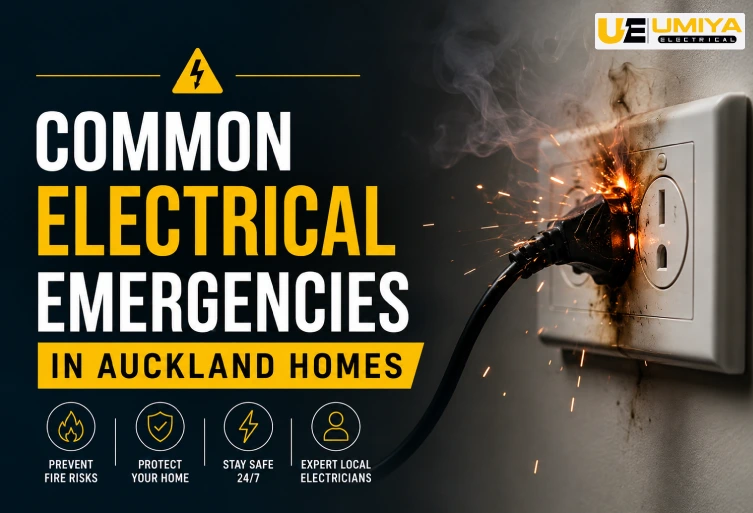
Common Electrical Emergencies often begin with warning signs that homeowners notice but may not immediately recognise as serious. Burning plastic smells, smoke, sparks, unusual buzzing, crackling switches, warm power points, or repeated circuit breaker trips can indicate excessive heat, damaged wiring, loose connections, faulty appliances, or overloaded circuits. A burning smell around a socket, appliance, light fitting, or switchboard should be treated as an important warning because electrical components can overheat before visible smoke or flames appear. If smoke or fire is present, leave the property and call 111 rather than attempting to investigate or repair the source. Sparks from an outlet or switch can result from damaged components, loose connections, faulty appliances, or short circuits. Do not repeatedly use a sparking outlet or touch damaged plugs and wiring. If it can be done safely, isolate the affected circuit and arrange professional electrical inspection. Electric shocks or repeated tingling sensations from appliances, switches, taps, or metal fittings should also be taken seriously. Faulty earthing, damaged insulation, moisture, and defective appliances can allow electricity to reach places where it should not. Never deliberately touch the equipment again to test whether the problem remains. Buzzing, sizzling, or crackling sounds from a switch, outlet, appliance, or switchboard may indicate a loose connection or electrical arcing. These sounds are particularly concerning when accompanied by heat, burning smells, flickering lights, or discolouration. Repeated circuit breaker trips are another important warning sign. Although a breaker can trip because of temporary overload, repeated or immediate trips may indicate a faulty appliance, short circuit, earth fault, damaged wiring, or another problem that requires professional testing. These symptoms should not be ignored simply because the electricity continues working afterwards. Electrical faults can remain hidden inside walls, outlets, appliances, and switchboards, so early professional assessment can help prevent more serious Common Electrical Emergencies.
Water, Flooding and Electrical Hazards
Water-related faults require particular caution because moisture can make electrical systems extremely dangerous. Leaking pipes, roof leaks, flooding, damp walls, and water entering garages, kitchens, bathrooms, or outdoor electrical areas can all create electrical risks when water reaches outlets, switches, appliances, cables, or switchboards. Never touch a wet electrical outlet, appliance, plug, switch, or damaged cable. Electricity may still be present even when the equipment appears switched off, and water can provide an easier path for electrical current to travel. If the main switchboard can be reached safely without walking through water or approaching damaged equipment, switching off the power may reduce the immediate risk. If reaching the switchboard would put you in danger, stay away from the area and seek professional help. Do not assume that electrical equipment is safe simply because standing water has been removed. Moisture can remain inside sockets, fittings, wiring connections, appliances, and other components, creating a potential fault after the area appears dry. A qualified electrician should inspect electrical components affected by significant water exposure before they are used again. Depending on the damage, testing, drying, repair, or replacement may be required. Water damage should be treated even more seriously when there are additional warning signs such as sparks, smoke, burning smells, tripping breakers, or damaged electrical equipment. These symptoms may indicate that water has already affected the electrical system. Keeping electrical equipment away from known water sources and dealing with leaks quickly are simple ways Auckland homeowners can reduce the likelihood of water-related electrical emergencies.
What to Do During an Electrical Emergency
When dealing with Common Electrical Emergencies, protecting people should always come before protecting appliances or property. Do not touch damaged electrical equipment simply to determine what has gone wrong, and keep children and pets away from the affected area. If you see smoke, flames, major sparking, or another immediate threat, leave the property and move to a safe location. For a fire, serious injury, or other life-threatening situation, contact 111 for emergency assistance. If there is no immediate danger and the switchboard can be reached safely, you may switch off the affected circuit or main supply. Never approach a switchboard through standing water, smoke, flames, or an area containing exposed electrical equipment. Avoid repeatedly resetting circuit breakers or safety switches. If a protective device trips again after being reset, there is likely an underlying problem that needs investigation rather than another reset. Do not use water on an electrical fire, and do not attempt to repair exposed wiring, damaged outlets, switchboards, or electrical appliances without the appropriate qualifications and equipment. Once everyone is safe, contact a qualified Auckland electrician and clearly explain what happened. Mention any smoke, sparks, burning smell, electric shock, water exposure, unusual sounds, flickering lights, or breaker trips you observed. Clear information can help the electrician understand the urgency of the situation and prepare for an appropriate inspection or repair.
How to Prevent Electrical Emergencies at Home
Preventing Common Electrical Emergencies starts with paying attention to small changes in your home’s electrical behaviour. A burning smell, unusual noise, warm outlet, flickering light, damaged cord, or repeated breaker trip can provide an early warning that should be investigated rather than ignored. Avoid overloading power boards and extension leads, particularly when using high-powered appliances. Follow appliance instructions and use suitable electrical connections instead of relying on multiple adapters or extension leads for equipment that requires a dedicated supply. Replace damaged plugs, cords, outlets, and fittings rather than covering damage with temporary solutions. Exposed or deteriorating insulation can increase the risk of electric shock, overheating, and electrical fire. Keep electrical appliances and connections away from water, damp areas, excessive heat, and locations where cords can be crushed or damaged. Particular care is important in kitchens, bathrooms, garages, laundries, and outdoor areas. Older Auckland homes may also benefit from an electrical assessment, especially if the property has undergone renovations, additional appliances have been installed, or electrical problems have started occurring more frequently. Professional electrical inspections can identify problems that are not obvious during normal household use, including deteriorated wiring, poor connections, overloaded circuits, and issues with protective equipment. Good electrical maintenance cannot prevent every fault, but it can help identify risks earlier and reduce the possibility of a small problem developing into a major household emergency.
When to Call an Emergency Electrician in Auckland
Knowing when to contact an emergency electrician in Auckland can help homeowners respond appropriately without taking unnecessary risks. Urgent electrical assistance is particularly important when a fault involves smoke, fire, serious sparking, electric shocks, exposed wiring, water damage, overheating, or repeated electrical protection trips. A burning smell from an outlet, switchboard, appliance, or light fitting should be investigated promptly, especially when accompanied by heat, discolouration, smoke, or crackling sounds. These symptoms can indicate an electrical component is overheating and may require immediate isolation. Repeated breaker trips should also be assessed when the problem continues after appliances have been disconnected or when the breaker trips immediately after being reset. Continuing to reset the device can leave the underlying fault unresolved. If an appliance repeatedly causes sparks, shocks, overheating, or power interruptions, stop using it and seek professional advice rather than continuing to test it. The appliance and its electrical connection may both need assessment.
Water-affected electrical systems should also receive professional attention before being returned to normal use, even if the visible water has disappeared. Hidden moisture and internal damage can remain dangerous. When contacting an electrician, explain exactly what you have noticed and whether the issue is still active. This helps determine whether immediate attendance is required or whether the problem can be scheduled for inspection. For Auckland homeowners looking for professional electrical assistance, Umiya Electrical provides electrical services for residential requirements and can help with electrical faults that require qualified attention.
Conclusion
Electrical faults should never be judged only by how small they appear. Common Electrical Emergencies can develop from damaged wiring, faulty appliances, overloaded circuits, loose connections, moisture, or ageing electrical components, and early warning signs can sometimes provide the opportunity to prevent a much more serious incident. Auckland homeowners should pay particular attention to burning smells, sparks, shocks, unusual sounds, flickering lights, damaged electrical equipment, repeated breaker trips, and water around electrical installations. These symptoms indicate that something may require professional attention. The safest response is to keep people away from the affected area, isolate the power only when it is safe to do so, and avoid DIY electrical repairs. Never put yourself at risk simply to investigate a fault. For emergencies involving fire or serious injury, call 111 immediately. For electrical faults requiring professional diagnosis or repair, a qualified local electrician can assess the installation and recommend the appropriate solution. Regular maintenance and prompt attention to unusual electrical behaviour can also help Auckland homeowners reduce avoidable electrical risks. If you are experiencing an electrical fault at your property, professional assistance from Umiya Electrical can help identify the cause and restore electrical safety. Taking action when the first warning sign appears is often much safer than waiting until a minor electrical problem becomes a serious emergency.
FAQs
Have questions? We’ve answered some of the most common queries to help you understand the topic better.
Q1. What are the most common electrical emergencies in Auckland homes?
Common problems include burning smells, smoke, sparking outlets, electric shocks, buzzing or crackling sounds, repeated breaker trips, water near electrical equipment, damaged wiring, overheating sockets, and serious power faults.
Q2. Is a circuit breaker that keeps tripping dangerous?
It can be a warning of an overload, faulty appliance, short circuit, earth fault, or wiring problem. Avoid repeatedly resetting it and arrange professional assessment if the problem continues.
Q3. What should I do if I smell burning plastic near an outlet?
Stop using the affected outlet or appliance and keep away from the area. If there is smoke or fire, leave the property and call 111. A qualified electrician should inspect the electrical system before it is used again.
Q4. Can I use an electrical outlet after it has been exposed to water?
No. Do not use or touch water-affected electrical equipment until it has been professionally assessed. Internal moisture or damage may remain even after the visible water has gone.
Q5. When should I call an emergency electrician?
Contact an emergency electrician for serious sparking, burning smells, exposed wiring, repeated electric shocks, significant water damage, overheating electrical equipment, or electrical faults that cannot be safely isolated. For fire or serious injury, call 111 first.