
Complete Guide to EV Charger Installation in Auckland
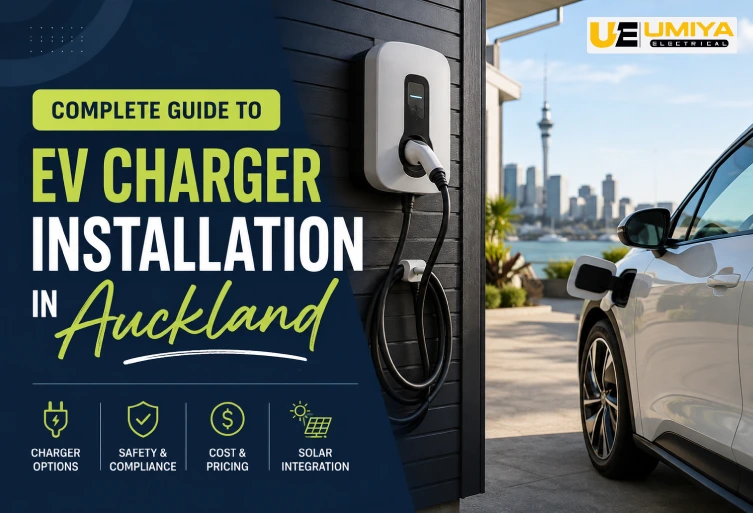
Electric vehicles are becoming increasingly popular across Auckland as more drivers look for practical, efficient and lower-emission ways to travel. With an EV at home, convenient charging becomes an important part of your daily routine. Instead of relying completely on public charging stations, installing a dedicated home charger allows you to charge your vehicle while it is parked at your property. A professionally completed EV Charger Installation can offer faster and more convenient charging than a standard household socket. Depending on the charger and vehicle, homeowners can also benefit from scheduled charging, mobile app controls, energy monitoring and solar integration. However, installing an EV charger involves more than simply purchasing a charging unit and connecting it to your home. Your switchboard, wiring, electrical capacity, parking location, cable route and required safety protection all need to be considered. This guide explains what Auckland homeowners should know before arranging EV Charger Installation in Auckland, including costs, charger options, electrical safety, smart charging, solar integration, installation requirements and the installation process.
What Is EV Charger Installation?
EV Charger Installation is the professional process of installing an electric vehicle charging point and connecting it safely to a property’s electrical system. A dedicated wall-mounted charger is generally designed for regular EV charging and can provide a more convenient solution than relying on a standard household socket. For a typical Auckland home, the installation begins with an assessment of the existing electrical system. A registered electrician can check the switchboard, available capacity, wiring, earthing arrangements and proposed location of the charging unit before deciding how the charger should be connected. The location of the charger is also important. It may be installed inside a garage, on an external garage wall, beside a carport or in another suitable location close to where the EV is parked. The distance between the switchboard and charger can influence the amount of cabling, labour and installation work required. Your vehicle also needs to be considered. A charger with a particular power rating does not automatically mean your EV will charge at that speed because the vehicle’s onboard charging system also has a maximum AC charging capability. A professional EV Charger Installation in Auckland should include the appropriate electrical circuit, protection, equipment installation, testing and required documentation. WorkSafe New Zealand states that wall-mounted EV charging units installed at home must be installed by a registered electrician. Professional installation helps ensure the charging system is designed specifically for your property rather than simply adding another high-demand electrical load to an existing circuit.
Why Install an EV Charger at Home in Auckland?
A dedicated home EV charger can make owning an electric vehicle significantly more convenient, particularly for Auckland residents who use their vehicle regularly for commuting, shopping, school runs or longer trips around the region. Instead of planning your day around a public charging station, you can charge your vehicle at home whenever it is parked. One of the biggest advantages is overnight charging. You can return home, connect your EV to the charger and leave it charging while you sleep. By morning, the vehicle can have the charge required for your daily travel, depending on its battery size, charger output and driving requirements. A dedicated charger can also provide faster charging than a basic portable charging arrangement. A typical 7kW AC home charger can be a practical choice for many residential properties, although the actual charging speed depends on the EV and available electrical supply. Home charging can also make it easier to take advantage of electricity plans that offer cheaper off-peak rates. Smart chargers can be programmed to start charging during selected hours, helping homeowners manage when electricity is consumed. For households with solar panels, a compatible charging system can provide another benefit by allowing surplus solar generation to be used for EV charging. This can help make better use of electricity generated by your own solar system. For many Auckland EV owners, therefore, a professionally installed home charger is not simply an upgrade. It can become an important part of a more convenient and manageable everyday energy setup.
How Much Does EV Charger Installation Cost in Auckland?
The EV Charger Installation cost in Auckland varies depending on the charger, property, electrical system and complexity of the installation. A straightforward residential installation for a 7kW Level 2 charger may commonly fall in the region of $2,000 to $4,000, but this should only be considered a general guide rather than a fixed market price. The charger itself is one part of the total cost. You also need to consider the dedicated circuit, cabling, electrical protection, mounting, testing and certification. If the charger is being installed a significant distance from the switchboard, additional cable and labour may increase the price. The condition of your switchboard can also make a significant difference. A modern switchboard with suitable capacity may require relatively little additional work, while an older electrical installation could require upgrades before a new EV charging circuit can safely be added. Outdoor installations can have different requirements from garage installations. The electrician may need to consider weather exposure, cable protection, mounting surfaces and the most practical route between the switchboard and charging point. Smart chargers and systems designed for solar integration can also have different equipment and installation costs compared with basic charging units. Because every property is different, it is better to arrange an electrical assessment before comparing quotes. A professional assessment gives you a clearer understanding of what is actually required and helps prevent unexpected costs during installation.
What Electrical and Safety Requirements Apply?
Safety should be one of the highest priorities when planning an EV Charger Installation because an EV charger can draw a significant electrical load continuously for several hours. Incorrect wiring, inadequate protection or an overloaded circuit can create serious electrical and fire risks. WorkSafe New Zealand recommends that wall-mounted EV charging units installed at home are installed by a registered electrician. Its guidance also covers important considerations such as dedicated circuits, residual-current protection, earth continuity and suitable charging equipment. A dedicated final sub-circuit is an important consideration for domestic EV charging. The electrician needs to select suitable cabling and circuit protection based on the charger rating and installation conditions. Residual Current Device protection is another important consideration. EV charging can involve both AC and DC leakage characteristics, so the appropriate protection needs to be selected according to the charger and installation design. WorkSafe’s guidance addresses Type B RCD protection as well as compliant alternatives where suitable DC leakage detection is incorporated into the charging equipment. The installation also needs to meet the electrical requirements and standards applicable in New Zealand at the time the work is completed. WorkSafe currently provides information regarding the transition between applicable versions of AS/NZS 3000. Homeowners should also choose EV charging equipment that is appropriate for use in New Zealand. WorkSafe recommends obtaining a Supplier Declaration of Conformity for EVSE and providing it to the electrician for review. These requirements are why professional electrical installation is essential rather than treating an EV charger as a simple plug-in appliance.
How Do You Choose the Right EV Charger?
Choosing the right EV charger starts with understanding your vehicle, driving habits and home electrical system. A charger that works well for one Auckland household may not necessarily be the best choice for another property. First, check your EV manufacturer’s specifications to understand its maximum AC charging capability. If your vehicle cannot accept the full output of a particular charger, buying a higher-powered charger may not provide the expected increase in charging speed. For many homes, a 7kW Level 2 charger can provide a useful balance between charging performance and residential installation requirements. It can be particularly suitable for drivers who want to charge overnight and have enough time between journeys. You should also consider whether you want a tethered or untethered charger. Tethered models have a permanently attached charging cable, making them convenient for everyday use. Untethered models use a socket and allow you to connect a separate charging cable when required. Smart features may also be worth considering. Depending on the charger, these can include mobile app control, scheduled charging, energy monitoring and remote management. If you plan to install solar panels or already have a solar PV system, look for a charger that supports appropriate solar integration. Discuss this requirement with your electrician before purchasing the equipment. Finally, don’t choose a charger based purely on price. Equipment quality, compatibility, safety features, warranty, support and suitability for New Zealand should all be considered alongside the purchase cost.
Can an EV Charger Work With Solar Power?
Solar integration is becoming an attractive option for Auckland homeowners who already have rooftop solar or are considering installing a solar energy system. A compatible smart EV charger can potentially use surplus solar generation to charge your electric vehicle. During sunny periods, your solar panels may generate more electricity than your home is using. Depending on the configuration of your system, some of this available energy can be directed towards EV charging rather than being exported to the grid. However, solar EV charging requires more than simply connecting an EV charger to your solar panels. The home’s solar generation, household consumption, EV charging demand and electrical supply all need to be considered together. Smart charging technology can provide greater control over when charging occurs. Some systems can adjust charging based on available solar generation, while others allow homeowners to schedule charging according to their preferred energy strategy. Solar integration can be particularly useful for homeowners who want to increase their use of self-generated electricity. It can also be considered as part of a broader home energy management strategy. If you are planning both solar and EV Charger Installation in Auckland, tell your electrician about your plans from the beginning. Designing the system with future requirements in mind can help avoid unnecessary changes later.
What Is the EV Charger Installation Process?
The EV Charger Installation process normally starts with understanding your vehicle, daily driving requirements and preferred charging location. This gives the electrician an idea of the type of charging solution that may be suitable for your home. The next step is an electrical assessment. The electrician checks your switchboard, existing wiring, available electrical capacity, earthing and the proposed route for the charging cable. Once the requirements are understood, the electrician can recommend an appropriate charger and explain the installation work required. If the property needs a switchboard upgrade or other electrical improvements, these should be identified before installation begins. The electrician can then install the dedicated circuit and required electrical protection, run the appropriate cabling and mount the EV charger at the agreed location. The exact installation method depends on the property and whether the charger is being installed indoors or outdoors. After the physical installation is complete, the system should be tested to confirm that the electrical installation and charger are operating correctly. Smart chargers may also need to be configured through their associated application or control system. The required electrical documentation should then be completed for the prescribed electrical work. Keeping this documentation is useful for your records and future property or electrical requirements. A properly planned installation therefore involves much more than mounting the charger. It combines electrical assessment, equipment selection, installation, protection, testing and documentation.
What Should You Consider Before Installing an EV Charger?
Before arranging EV Charger Installation, take a few minutes to consider how and where you will actually use the charging system. Thinking about these details early can help you choose a setup that remains practical for years. Start with your daily driving distance. If you normally drive short distances and return home every evening, overnight AC charging may easily meet your requirements. Drivers with higher daily mileage may have different charging needs. Next, look at your parking area. Determine where your vehicle is normally parked and whether a charger can be positioned close enough for comfortable cable access. You should also consider your home’s electrical infrastructure. Older properties may require additional electrical work, particularly if the existing switchboard or wiring is not suitable for the new load. Think about future requirements too. You may eventually add solar panels, purchase another EV or increase your home’s electricity consumption. Choosing a suitable charging system today can make future upgrades easier. Finally, check the charger’s compliance documentation, features, warranty and compatibility before purchasing it. WorkSafe recommends that homeowners request the appropriate Supplier Declaration of Conformity for EVSE and provide it to their electrician.
Common EV Charger Installation Mistakes to Avoid
One common mistake is choosing an EV charger purely because it has a low purchase price. The cheapest unit may not offer the features, compatibility or support required for your vehicle and property. Another mistake is assuming that an existing household socket or electrical circuit can handle regular EV charging without an assessment. EV charging can create a substantial continuous load, so the electrical system should be assessed before installation. Ignoring the condition of an older switchboard is another potential problem. If the existing electrical infrastructure requires attention, this should be identified before connecting new charging equipment. Homeowners should also avoid purchasing equipment without checking whether it is suitable for the New Zealand market and whether the appropriate compliance documentation is available. Poor charger positioning can create everyday inconvenience as well. A charger that is too far from the parking area or has a poorly planned cable route may make charging unnecessarily difficult. Another mistake is overlooking future energy plans. If you are considering solar panels or smart energy management, these requirements should be discussed before the charger is installed. Most importantly, electrical installation work should not be treated as a DIY project. Using a registered electrician helps ensure the charging equipment is installed and tested appropriately for your home’s electrical system.
Common EV Charger Installation Mistakes to Avoid
One common mistake is choosing an EV charger purely because it has a low purchase price. The cheapest unit may not offer the features, compatibility or support required for your vehicle and property. Another mistake is assuming that an existing household socket or electrical circuit can handle regular EV charging without an assessment. EV charging can create a substantial continuous load, so the electrical system should be assessed before installation. Ignoring the condition of an older switchboard is another potential problem. If the existing electrical infrastructure requires attention, this should be identified before connecting new charging equipment. Homeowners should also avoid purchasing equipment without checking whether it is suitable for the New Zealand market and whether the appropriate compliance documentation is available. Poor charger positioning can create everyday inconvenience as well. A charger that is too far from the parking area or has a poorly planned cable route may make charging unnecessarily difficult. Another mistake is overlooking future energy plans. If you are considering solar panels or smart energy management, these requirements should be discussed before the charger is installed. Most importantly, electrical installation work should not be treated as a DIY project. Using a registered electrician helps ensure the charging equipment is installed and tested appropriately for your home’s electrical system.
How to Choose an EV Charger Installer in Auckland?
When searching for EV Charger Installation Auckland, look beyond the installation price and consider the electrician’s qualifications, experience and approach to the project. A good installer should assess your property before recommending a charging solution. Ask whether the electrician is registered and experienced with EV charging systems. You can also ask whether the quotation includes the charger, electrical circuit, protection, installation, testing and certification. It is useful to discuss the location of your switchboard and parking area before receiving a quote. This helps the electrician understand cable requirements and potential installation challenges. If you want smart charging, scheduled charging or solar integration, mention these requirements from the beginning. The electrician can then recommend equipment that supports your preferred setup. You should also ask about the compliance documentation supplied with the charger and the electrical documentation provided after installation. A professional installer should be willing to explain the proposed system in straightforward language. They should also identify any switchboard, wiring or capacity issues before beginning the work. For Auckland homeowners, choosing an experienced registered electrician can help ensure that the finished charging system is safe, practical and suitable for everyday EV use.
Get Professional EV Charger Installation in Auckland
Installing a dedicated EV charger can make electric vehicle ownership more convenient by giving you a reliable charging point at home. Whether you drive around Auckland every day or mainly use your EV for weekend travel, a properly designed home charging system can fit around your lifestyle. At Umiya Electrical, professional electrical planning is an important part of creating a safe and practical EV charging solution. From assessing your existing electrical system to planning the charger location and completing the installation, every property has different requirements. Whether you are looking for a 7kW home EV charger, smart EV charging solution or solar-compatible charging setup, professional advice can help you choose the right approach for your property. If you’re planning EV Charger Installation in Auckland, contact Umiya Electrical to discuss your requirements and arrange a professional assessment.
FAQs
Have questions? We’ve answered some of the most common queries to help you understand the topic better.
Q1. How much does EV Charger Installation cost in Auckland?
A home EV charger installation in Auckland typically costs around $2,000–$4,000, depending on the charger and electrical work required.
Q2. Can I install an EV charger at home?
Yes. A wall-mounted EV charger should be installed by a registered electrician to ensure safe and compliant installation.
Q3. How long does EV Charger Installation take?
A standard installation can often be completed within a few hours, while complex installations may take longer.
Q4. Can an EV charger work with solar panels?
Yes. A compatible smart EV charger can be integrated with your solar system to use available solar energy for charging.
Q5. Do EV chargers need a dedicated circuit?
Yes, a dedicated electrical circuit is generally required for residential EV charging to provide safe and reliable operation.