

Electrical Services Every New Homeowner Needs
Buying a new home in Auckland is a major milestone, but moving in is only the beginning of making the property safe, comfortable and practical for everyday life. While homeowners often focus on painting, furniture, appliances and renovations, the electrical system is one of the most important parts of the property to understand first. From lighting and power points to switchboards, wiring, safety devices and future technology, your home’s electrical setup affects almost everything you do each day. This is particularly important when purchasing an older Auckland property, where the electrical installation may have been modified or extended over many years. Even newer homes can benefit from professional electrical checks when homeowners are adding appliances, renovating rooms or planning new technology. Understanding which electrical services you may need can help you identify potential problems early and avoid inconvenient or expensive electrical issues later.
Why New Homeowners Should Prioritise Electrical Services
Moving into a home gives you an opportunity to assess whether its electrical system actually matches the needs of your household. A property may appear completely normal while having insufficient power points, ageing components, poorly positioned lighting or circuits that are not suitable for modern electrical loads. Older electrical installations can also become overloaded as homeowners add televisions, computers, heating systems, kitchen appliances, home offices and other equipment. WorkSafe New Zealand notes that electrical installations can age and become overloaded, with warning signs including flickering lights, hot sockets, scorch marks and circuit breakers that trip unexpectedly. Professional residential electrical services can help identify these concerns and provide practical solutions before a small issue becomes a serious problem.
For Auckland homeowners, arranging an electrical assessment early can therefore be a sensible part of settling into a new property rather than waiting until something fails.
Why New Homeowners Should Prioritise Electrical Services
An electrical inspection is one of the most useful electrical services to consider after purchasing a property, particularly if you do not know the history of its electrical installation. An inspection can help you understand the condition of visible electrical components and identify areas that may require further investigation or professional attention. This can be particularly valuable when buying an older Auckland house, where previous owners may have completed renovations, extensions or electrical modifications over time. WorkSafe recommends that people buying a house consider having a licensed electrician or electrical inspector check installations, outbuildings and electrical equipment for safety and potential future problems. The purpose is not necessarily to replace everything, but to establish what is safe, what is outdated and what should be prioritised based on your home’s actual condition. Having this information at the beginning can make it much easier to plan future electrical services, renovations and upgrades according to your budget and household requirements.
- Switchboards and circuit protection
- Power points and switches
- Visible wiring and electrical fittings
- Lighting installations
- Signs of overheating or damage
- Repeatedly tripping circuits
- Existing electrical capacity
- Previous electrical modifications
- Areas that may require further testing or inspection
Switchboard Upgrades and Electrical Safety
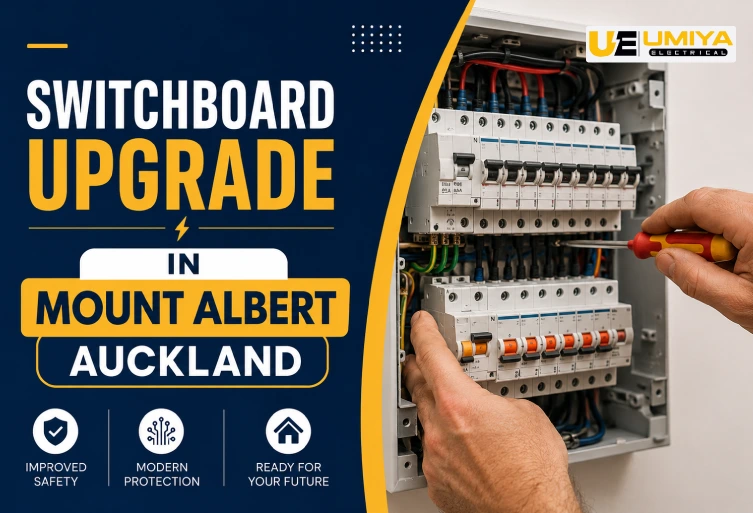
The switchboard is a central part of your home’s electrical system because it distributes electricity to different circuits and provides protection when faults or excessive current occur. For a new homeowner, understanding the condition of the switchboard is especially important if the property is older or has been significantly renovated over the years. A switchboard that was suitable for an older household may not necessarily be ideal for a modern home filled with high-demand appliances and electrical equipment. Modern households can place greater demands on their electrical systems through heat pumps, induction cooking, home offices, entertainment equipment, EV charging and other technologies. A professional electrician can assess the existing setup and determine whether additional circuits, replacement components or a broader switchboard upgrade should be considered. Rather than assuming that every older switchboard needs replacement, homeowners should have the installation assessed and make decisions based on its condition, capacity and future requirements. WorkSafe explains that the switchboard protects the home’s wiring system and contains the main switch along with fuses or circuit breakers for different areas of the property.
- Circuit breakers repeatedly tripping
- Fuses repeatedly blowing
- Burning smells near electrical equipment
- Hot or discoloured components
- An obviously outdated switchboard
- Insufficient space for planned electrical additions
- Electrical problems occurring when multiple appliances operate
Power Point Installation for Modern Auckland Homes
Power points are easy to overlook when buying a home, but their position and availability can have a major impact on everyday convenience. Once you start arranging furniture, setting up a television, creating a home office or using kitchen appliances, you may quickly discover that existing outlets are not located where you actually need them. Older homes may have fewer outlets than modern households require, which can encourage excessive use of extension leads and multi-board adapters. Installing additional power points in suitable locations can create a cleaner, more convenient setup while reducing the need to run cables across floors or between rooms. A professional electrician can discuss your furniture layout, appliance requirements and future plans before recommending suitable locations for additional outlets. Planning power point installation at the beginning of a renovation is particularly useful because electrical work can often be coordinated with other building and interior improvements.
- Home offices
- Bedrooms
- Living rooms
- Kitchens
- Garages
- Laundries
- Entertainment areas
- Outdoor spaces
Lighting Installation and Lighting Upgrades
Lighting is another important part of electrical services because it influences both how a home functions and how comfortable it feels. A new homeowner may inherit outdated fittings, poorly positioned lights or rooms that simply do not have enough illumination for their intended use. Good lighting should be planned around the purpose of each space rather than treating every room in exactly the same way. For example, kitchens often benefit from focused task lighting, while living areas may work better with a combination of general, decorative and accent lighting. Outdoor areas can also benefit from carefully planned lighting for entrances, pathways, entertainment areas, garages and security purposes. If you are renovating your Auckland home, discussing lighting requirements with an electrician early can help you achieve a more practical installation without having to make changes later.
- LED lighting upgrades
- Downlights
- Pendant lights
- Kitchen task lighting
- Bathroom lighting
- Garage lighting
- Outdoor lighting
- Security lighting
- Feature lighting
- Dimmers and lighting controls
Electrical Fault Finding and Repairs
Electrical problems do not always begin with a dramatic failure; sometimes the warning signs are small and easy to dismiss. A light may flicker occasionally, a circuit breaker may trip once in a while, or a particular power point may stop working intermittently. These symptoms can have different causes, and repeatedly resetting a breaker or replacing a fitting without finding the underlying issue may not solve the problem. Professional electrical fault finding is designed to investigate the cause of an electrical issue and determine what repair or corrective work may be required. This can be particularly important in older Auckland properties where wiring, fittings and circuits may have been modified at different times. Addressing electrical faults promptly can help prevent inconvenience and, more importantly, reduce the risk associated with unsafe electrical installations.
- Flickering or dimming lights
- Frequently tripping circuit breakers
- Repeatedly blown fuses
- Power points that stop working
- Burning or unusual smells
- Buzzing or crackling sounds
- Warm or discoloured outlets
- Intermittent electrical supply
Electrical Services for Home Renovations
Renovating your new home is an ideal time to review its electrical requirements because walls, ceilings and rooms may already be undergoing changes. Adding electrical work after a renovation is finished can sometimes create unnecessary disruption, particularly when additional cables, outlets or lighting need to be installed. A renovation may involve new power points, lighting, appliance connections, dedicated circuits, switchboard changes or other electrical modifications. Kitchen and bathroom renovations deserve particular attention because modern appliances and equipment can significantly influence electrical requirements. If you are extending the house or converting a garage, office or other area into living space, electrical planning should also be included before construction begins. WorkSafe recommends planning both present and future electrical needs when building or renovating a home, including adequate power points and fittings.
- Where furniture will be positioned
- Which appliances will need dedicated connections
- How many power points each room requires
- Where lighting should be installed
- Whether outdoor electrical work is needed
- Whether the existing switchboard has enough capacity
- Whether future technology should be planned now
Home Office Electrical Services
Working from home has changed the way many Auckland households use their properties, and a spare bedroom is often transformed into a permanent office. A home office can require considerably more electrical equipment than a normal bedroom, including computers, monitors, printers, routers, chargers, desk lamps and other devices. Poorly positioned outlets can result in cables crossing desks or floors, while relying heavily on extension leads can make a workspace unnecessarily cluttered. When setting up a dedicated office, consider where your desk and equipment will actually be positioned before deciding where additional outlets should go. You may also want to consider the electrical requirements of heating, cooling and other equipment that could operate in the same room. Professional electrical services in Auckland can help you create a practical setup that supports your current work requirements while leaving room for future changes.
- Conveniently positioned power points
- Dedicated connections where appropriate
- Charging locations
- Lighting suitable for computer work
- Additional outlets for future equipment
- Suitable placement for networking equipment
Outdoor Electrical Services
Outdoor areas are increasingly being used as extensions of the home, from covered entertaining spaces to garages, workshops, gardens and outdoor kitchens. This means homeowners often need more than an indoor electrical system once they begin improving their outdoor spaces. Outdoor electrical installations require appropriate consideration because electrical equipment can be exposed to moisture, weather conditions, physical impact and other environmental factors. Outdoor lighting can improve visibility around entrances, pathways and entertainment areas, while suitable outdoor power points can make gardening, maintenance and recreation more convenient. Garages, sheds and workshops may also require additional electrical capacity for tools, lighting, chargers and other equipment. Because outdoor installations have their own safety considerations, electrical work should be planned and completed appropriately rather than treating an outdoor connection like a simple indoor outlet.
Possible outdoor electrical requirements include:
• Garden lighting
• Security lighting
• Garage power
• Workshop power
• Outdoor entertainment areas
• Outdoor power points
• Pathway lighting
• Electric gates
• Pool or spa equipment
If you are planning outdoor improvements, discuss the electrical requirements before construction or landscaping begins.
Choosing Professional Electrical Services in Auckland
Choosing an electrician should involve more than simply comparing the cheapest quote, especially when the work affects the safety and infrastructure of your home. New homeowners should look for an appropriately qualified and licensed electrical worker who can explain the proposed work clearly and provide the relevant documentation when required. In New Zealand, electrical workers carrying out prescribed electrical work must hold a practising licence, and the Electrical Workers Registration Board provides information about licensing and registration. WorkSafe also recommends checking that an electrician is licensed and obtaining a Certificate of Compliance for applicable fixed wiring work. A professional approach should include clear communication about the work involved, expected costs, materials, testing and any certification or inspection requirements that apply. For Auckland homeowners, selecting a reliable local electrical service can make it easier to handle immediate repairs while also having someone you can contact for future installations, maintenance and upgrades.
- Are you currently licensed to carry out this work?
- What exactly is included in the quotation?
- Will testing be required?
- Will I receive the relevant electrical documentation?
- Is the existing installation suitable for the proposed upgrade?
- Are there any additional issues that may need attention?
- What work should be prioritised first?
What Should New Homeowners Check First?
Not every homeowner needs to complete a major electrical upgrade immediately, and prioritising work can help you manage your budget more effectively. The first priority should always be electrical safety, followed by reliability and then improvements that make the property more convenient for your household. If there are obvious warning signs, recurring faults or concerns about the switchboard or wiring, these should generally be investigated before cosmetic electrical upgrades. Once the electrical installation is understood and any important safety issues have been addressed, you can plan additional lighting, power points, outdoor connections and smart-home features. It is also worth thinking about future needs, especially if you expect to install an EV charger, heat pump, home office equipment or additional high-demand appliances. Taking a planned approach to electrical services allows you to improve your Auckland home gradually without spending money on upgrades that do not match your actual needs.
- Electrical safety assessment
- Fault finding and urgent repairs
- Switchboard or wiring concerns
- Essential power point and lighting upgrades
- Renovation-related electrical work
- Outdoor electrical requirements
- Future technology and convenience upgrades
Final Thoughts for Auckland Homeowners
Your home’s electrical system is something you depend on every day, even though most of it remains hidden behind walls, ceilings and switchboards. For a new homeowner, understanding that system early can make your property safer, more convenient and better prepared for future electrical demands. From inspections and fault finding to lighting, power points, switchboard upgrades and renovation work, the right electrical services can address both immediate problems and long-term requirements. A professional assessment is particularly valuable when buying an older Auckland property or when you are unsure about previous electrical modifications. Instead of waiting for a major fault to disrupt your household, consider reviewing the electrical system as part of your wider new-home checklist. With the help of a qualified local electrician, you can prioritise the work that matters most and gradually create an electrical setup that suits the way your family lives. For homeowners looking for professional electrical services in Auckland, Umiya Electrical can be considered when planning residential electrical work, repairs, installations and upgrades.
FAQs
Have questions? We’ve answered some of the most common queries to help you understand the topic better.
Q1. What electrical services does a new homeowner need?
Common needs include electrical inspections, fault repairs, lighting installation, power point installation and switchboard checks.
Q2. Should I get my new home's wiring inspected?
Yes, especially if you have purchased an older Auckland property or are unsure about its electrical history.
Q3. When should I upgrade my switchboard?
Consider an upgrade if the switchboard is outdated, circuits frequently trip or you plan to add high-demand appliances.
Q4. Can I install electrical fittings myself?
Some limited DIY electrical work is permitted in New Zealand, but many electrical tasks must be completed by a licensed electrical worker.
Q5. How do I choose an electrician in Auckland?
Check that the electrician is appropriately licensed, clearly explains the work and provides the required electrical documentation.