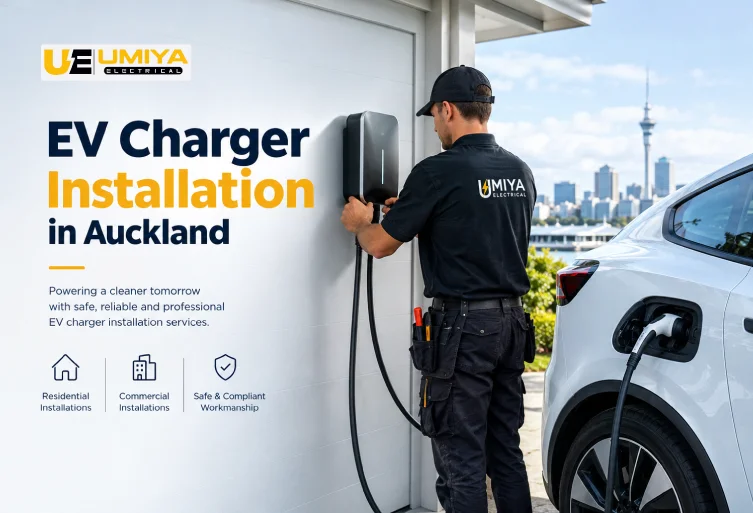

EV Charger Installation in Mount Albert Auckland
As electric vehicles become a more common choice for Auckland drivers, convenient home charging is becoming an important part of EV ownership. A home charging point allows you to charge your vehicle while it is parked, making it easier to prepare for work, school, shopping and regular travel around Auckland. For homeowners in Mount Albert, a professionally installed charger can provide a practical and organised way to manage everyday EV charging. Choosing the right equipment is only one part of the process. The charger must also be connected correctly, supported by suitable electrical protection and installed in a location that works safely with your vehicle and property. Umiya Electrical provides professional electrical services for homeowners who need a reliable EV Charger Installation in Mount Albert Auckland. Whether you already own an electric vehicle or are preparing for your first EV, a proper home charging setup can make daily charging much simpler.
What Is EV Charger Installation?
EV Charger Installation is the professional installation of an electric vehicle charging unit and its connection to the property’s electrical supply. A dedicated charger is different from simply plugging a portable charging device into an ordinary household socket. A wall-mounted charging unit can provide a more organised charging solution and may be better suited to regular EV use, depending on the vehicle and electrical system. The installation starts with an assessment of the property and the selected charger. An electrician can check the switchboard, existing wiring, available electrical capacity and the proposed charging location. The required cabling and protective equipment are then determined according to the charger and the property’s electrical requirements. WorkSafe New Zealand states that a wall-mounted EV charging unit installed at home must be installed by a registered electrician. Its guidance also highlights the importance of appropriate electrical protection and suitable EV charging equipment. For this reason, installing a home EV charger should be treated as electrical work rather than a simple appliance installation.
Why Install a Home EV Charger in Mount Albert?
Having an EV charger at home can make regular vehicle charging more convenient. Instead of planning every journey around public charging stations, you can charge your vehicle while it is parked at your property. For many EV owners, overnight charging can become part of their normal routine. A dedicated charging point can also provide a consistent location for charging. This can be especially useful for households where the vehicle is used frequently for commuting, family activities or daily travel throughout Auckland. The best charging arrangement depends on your driving habits. Someone who drives short distances may have different charging requirements from someone who travels across Auckland every day. Your vehicle’s battery, charging capability and the available electrical supply at your home should all be considered before choosing equipment. A professional EV Charger Installation also allows the charging point to be positioned according to how your vehicle is normally parked. Proper planning can help keep charging cables organised and reduce unnecessary cable movement across walkways or driveways.
Benefits of Professional EV Charger Installation
A professionally installed EV charger is designed around the property’s electrical system rather than simply being connected to an existing outlet. This allows the electrician to identify potential electrical issues before the charger is connected.One important benefit is the assessment of the existing switchboard. Older homes may have limited capacity, older components or wiring that needs attention before additional electrical demand can be introduced. WorkSafe also notes that older wiring may need upgrading where high-demand EV charging equipment is being installed. Professional installation also provides an opportunity to consider the most suitable charger location. The electrician can assess the distance from the switchboard, cable route, mounting surface and position of the vehicle. Electrical protection is another important consideration. EV charging can involve a substantial electrical load over an extended period, so suitable protective measures need to be incorporated into the installation. Once the work is completed, the electrical installation can be tested and the required documentation provided. This gives homeowners a clearer record of the electrical work carried out at the property.
Choosing the Right EV Charger for Your Home
There is no single EV charger that is suitable for every home. The right option depends on your vehicle, daily driving distance, charging requirements, property layout and electrical capacity. Before purchasing a charger, check the charging capabilities of your electric vehicle and the requirements specified by the charger manufacturer. The charging unit should be suitable for use in New Zealand and installed according to applicable electrical requirements. You should also consider where the charger will be positioned. A charger that is technically suitable may still be inconvenient if the cable cannot comfortably reach the vehicle. Some homeowners may prefer a garage installation, while others may need a charger mounted near an outdoor parking space. Properties with detached garages or longer driveways may require additional cable planning. If you already have a preferred charger, provide its specifications to your electrician before installation. This allows the electrical requirements to be assessed in advance and can help identify whether any additional work is required.
Where Should an EV Charger Be Installed?
The ideal charging location depends on where your vehicle is normally parked and how the electrical supply can reach the charger. A garage, carport or suitable exterior wall may all be possible options depending on the property. The charger should be installed where the charging cable can reach the vehicle without creating unnecessary obstacles. Cable management is particularly important around driveways and walking areas because loose cables can become a trip hazard or be damaged by vehicles. Outdoor installations require additional consideration because the equipment can be exposed to changing weather conditions. The selected charging equipment and installation method need to be suitable for the intended environment. The mounting surface should also be appropriate for the charger. An electrician can assess the proposed location and determine how the unit should be securely mounted. For Mount Albert homeowners, a site assessment can help identify the most practical position before any installation work begins. Planning the location properly can improve everyday convenience and help keep the charging area neat and accessible.
Does Your Switchboard Need an Upgrade?
One of the most important checks before EV Charger Installation is the condition and capacity of the property’s switchboard. Installing a new charging circuit adds electrical demand, so the existing installation needs to be assessed. Some homes may already have a suitable electrical arrangement and only require the addition of a dedicated charging circuit. Other properties, particularly older homes, may need electrical improvements before the charger can be connected. An electrician can inspect the switchboard, available space, existing protective devices and general condition of the electrical installation. They can also consider the capacity available for the proposed charging equipment. This assessment can prevent unexpected issues during installation. It is better to identify electrical limitations before purchasing equipment or starting the installation. If an upgrade is necessary, the electrician can explain what work is required and why it is needed. This may include improvements to the switchboard, additional protection or changes to the electrical cabling. The final requirements will depend on the individual property, charger and electrical supply. There is therefore no universal switchboard upgrade requirement for every EV owner.
EV Charger Safety in Auckland Homes
Safety should always be a central part of any home charging installation. An EV charger can operate for extended periods, so the electrical circuit must be appropriately designed and protected. WorkSafe New Zealand provides specific guidance for EV charging equipment and electrical safety. Its guidance covers matters such as RCD protection, charging circuits and suitable EVSE installation. The correct protective arrangement can depend on the charging equipment and its safety functions. This is why homeowners should not attempt to select or modify electrical protection without professional advice. It is also important to use suitable EV charging equipment. WorkSafe advises against using inappropriate adaptors, multi-boxes or modified equipment as substitutes for proper EV charging equipment. Keeping the charger, cable and connection points in good condition is also important after installation. If equipment becomes damaged, shows signs of overheating or develops another electrical fault, it should be inspected by a qualified professional. A professional EV Charger Installation gives homeowners a safer foundation for regular EV charging and helps ensure that the charging equipment is properly integrated into the property’s electrical system.
How Does EV Charger Installation Work?
The installation process normally begins with an assessment of the property and the customer’s charging requirements. The electrician can discuss the vehicle, charger, parking location and expected usage. The existing switchboard and electrical system are then inspected. This helps determine whether the property can accommodate the proposed charging circuit and whether any additional work is necessary. Next, the electrician plans the cable route between the electrical supply and charging point. The route should be practical, secure and appropriate for the structure of the property. The charging unit is then mounted in the selected location and connected to the electrical supply using the required equipment and protection. The installation is completed according to applicable New Zealand electrical requirements. After the physical work is completed, the charging system and relevant electrical protection should be tested. Required electrical documentation and certification can then be provided where applicable. The exact installation process varies between properties, so an on-site assessment is the best way to understand what your Mount Albert home will require.
How Long Does EV Charger Installation Take?
The installation time depends on the property rather than following one fixed timeframe. A straightforward installation with a nearby switchboard and suitable mounting location may require less work than a property with a longer cable route or older electrical infrastructure. The condition of the switchboard can also affect the project. If additional electrical work is needed, the installation may require more time. The location of the charger is another consideration. A garage close to the switchboard can present different requirements from an outdoor parking space further away from the home’s main electrical supply. The selected charger can also influence the work involved. Providing the charger specifications to the electrician before the installation can help with planning. Rather than estimating the installation time without seeing the property, a professional assessment provides a more accurate understanding of the work involved.
Can You Charge an EV From a Normal Power Point?
Some EVs can be charged using suitable portable charging equipment connected to a household socket. However, this does not necessarily provide the same charging experience as a dedicated home EV charging station. WorkSafe explains that some EV owners can use a standard socket with appropriate charging equipment, while higher-capacity batteries and regular charging needs may make dedicated EVSE more suitable. Homeowners should never use unsuitable adaptors, multi-boxes or modified electrical equipment to create an improvised EV charging arrangement. The charging equipment should be appropriate for the vehicle and electrical system. If you charge your vehicle regularly at home, it is worth discussing your requirements with a registered electrician. They can assess the existing electrical system and explain whether a dedicated charging point would be suitable. The right solution depends on how often you drive, how quickly you need to recharge and what your home’s electrical installation can support.
Why Choose Umiya Electrical in Mount Albert?
For homeowners searching for EV Charger Installation in Mount Albert Auckland, Umiya Electrical provides professional electrical services designed around individual property requirements. Every home has different electrical characteristics, parking arrangements and charging needs. Instead of assuming that the same installation will work everywhere, the electrical system and proposed charger location should be assessed individually. Umiya Electrical can help homeowners understand the practical requirements involved in installing a home EV charging point, from electrical assessment and cable planning through to charger connection and testing. Professional installation can also help identify potential issues before they become problems, particularly when dealing with older electrical systems or more complicated cable routes. If you are purchasing an electric vehicle or want to improve your existing home charging arrangement, arranging an electrical assessment is a practical first step. For homeowners in Mount Albert and surrounding Auckland areas, Umiya Electrical can provide guidance on the electrical requirements for a suitable home EV charging solution.
Book EV Charger Installation in Mount Albert Auckland
A home EV charging point can make electric vehicle ownership easier by allowing you to charge your vehicle where it is normally parked. However, the quality of the installation matters just as much as the charging equipment itself. The property’s electrical system, switchboard, cable route, charger location and protective equipment all need to be considered before the work begins. For homeowners in Mount Albert, Auckland, professional EV Charger Installation provides a practical way to create a dedicated charging setup that suits the property and vehicle. A registered electrician can assess the electrical installation, identify any required upgrades and complete the charging connection safely. If you are planning to install an EV charger at your Mount Albert home, contact Umiya Electrical to discuss your charging requirements and arrange a professional electrical assessment.
FAQs
Have questions? We’ve answered some of the most common queries to help you understand the topic better.
Q1. Is EV Charger Installation required for every EV?
No. Some EVs can use suitable portable charging equipment, while regular users may prefer a dedicated home charger.
Q2. Can I install an EV charger myself?
Wall-mounted EV charging units should be installed by a registered electrician in accordance with New Zealand electrical requirements.
Q3. Does every home need a switchboard upgrade?
No. The requirement depends on the existing switchboard, electrical capacity, wiring and selected charging equipment.
Q4. Can an EV charger be installed outside?
Yes, where the selected equipment and installation arrangement are suitable for the outdoor environment.
Q5. How much does EV Charger Installation cost?
The cost depends on the charger, cable distance, switchboard, installation location and any additional electrical work required.